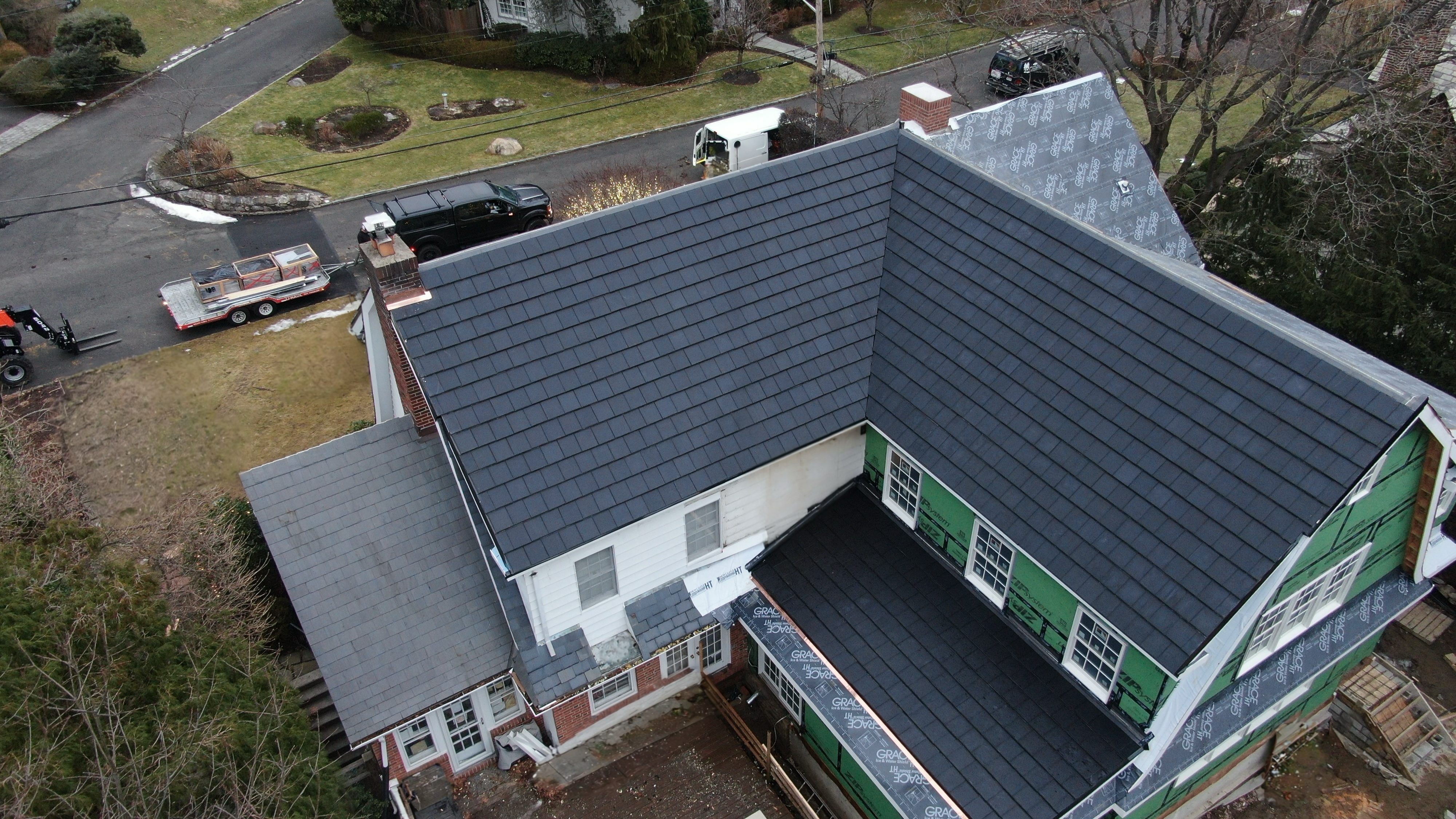
Plenty of homeowners want solar and dislike how it looks. That is a reasonable reaction, and there are more ways to address it than most installers mention. This guide walks through every real option, from simple fixes to roofing that generates power as part of the material, with the tradeoffs of each. Invisible Solar Power is the far end of that range, but it is not the right answer for every home, and the right answer depends on your roof, your budget, and how much the look matters to you.
The Options at a Glance
| Option | How it looks | Cost level | Best for |
| Better placement and landscaping | Panels still visible, less prominent | Lowest | Roofs with a hidden plane or ground space |
| All black panels | Uniform dark surface, still clearly panels | Similar to standard | Dark roofs, budget conscious buyers |
| Low profile or flush mounting | Sits closer to the roof, fewer visible rails | Moderate | Homes where the roof has years left and local rules allow it |
| Solar skins | Panel surface printed to resemble roofing | Moderate | Specific color matching needs |
| In roof panel systems | Flush with the roof, reads as a dark array | Higher | Reroofs where panels are acceptable |
| Solar shingles | A mix of solar and standard shingles | Higher | Asphalt shingle roof replacements |
| Solar roof tile | One roofing material, no visible distinction | Highest | New construction and reroofs where appearance matters most |
Start With Placement
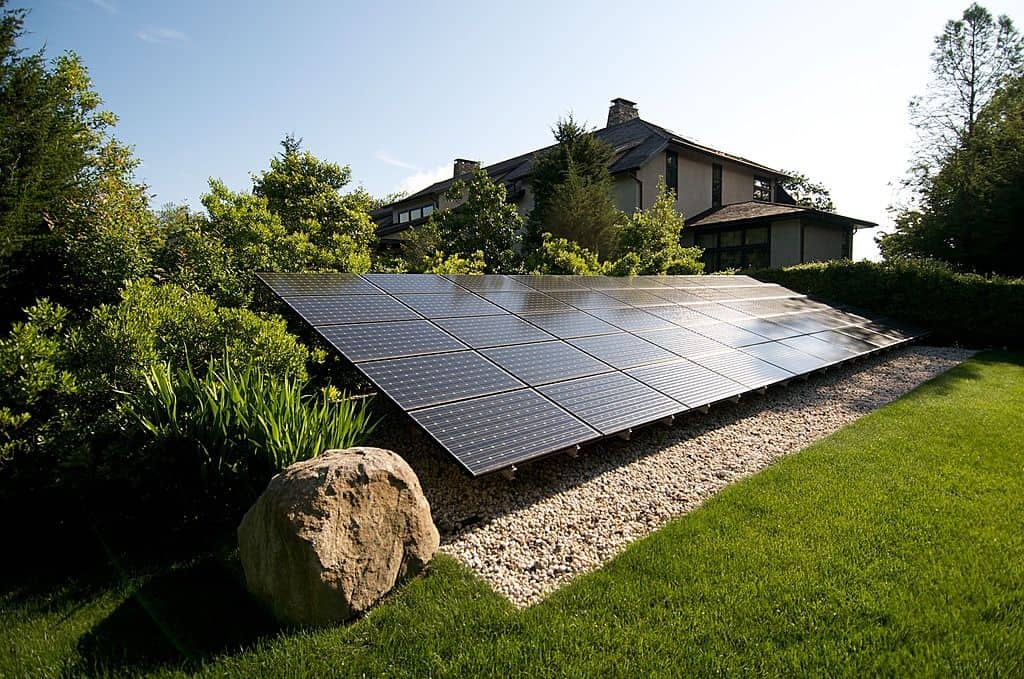
Before choosing a product, look at where the panels go. A rear facing plane, a plane hidden by a dormer or an addition, or a ground mounted array behind landscaping can remove the visibility problem without changing the product at all. The tradeoff is production. The best planes for sun are often the ones facing the street, and a system on a lesser plane may need to be larger to offset the same usage. Ground mounts depend on available land, setbacks, and local rules.
All Black Panels
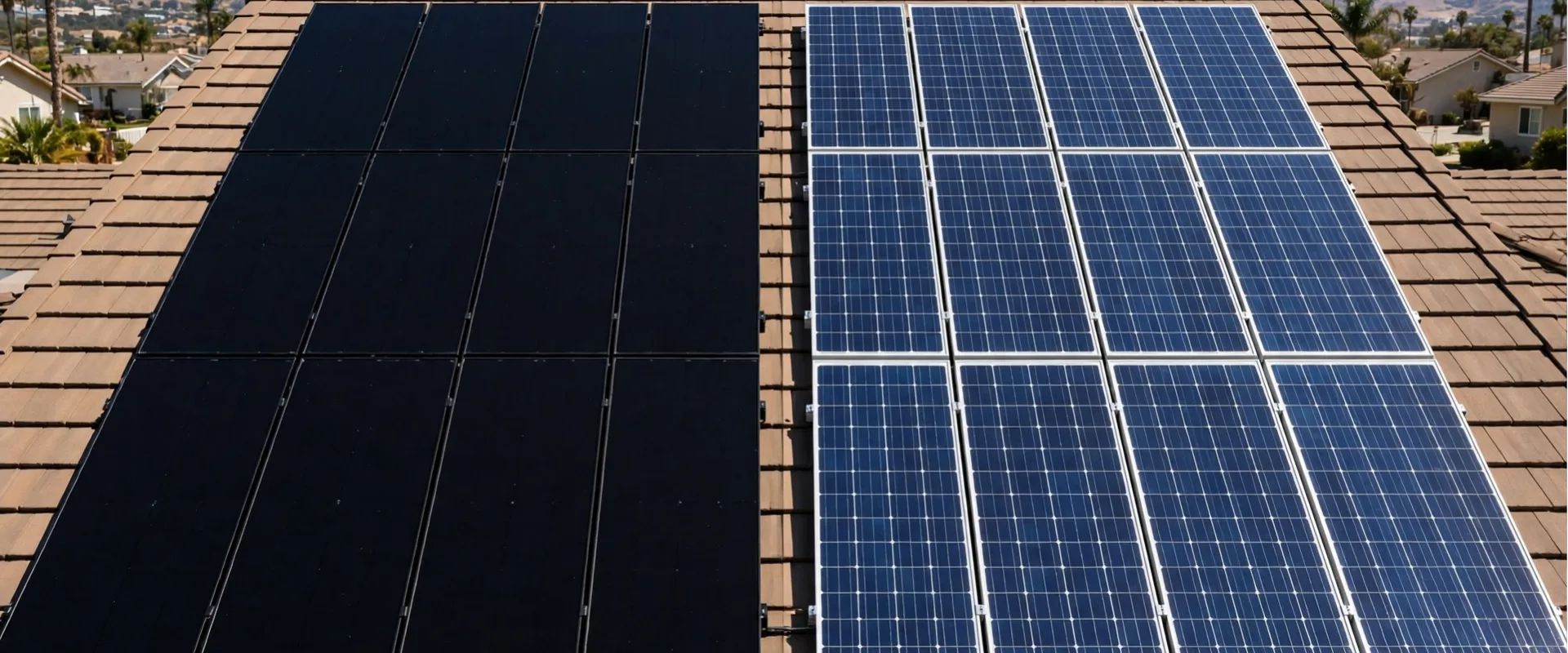
The most common upgrade is the all black panel, with black cells, a black backsheet, and a black frame. It removes the blue cells and silver frame that make standard panels stand out and it costs close to what standard panels do. On a dark roof, it blends in reasonably well. On a light, terracotta, or textured roof, it still reads as a rectangular array sitting on top of the roof. It is a good, honest improvement, but it does not change what the system is.
Low Profile Mounting and Solar Skins
Flush or low profile racking keeps panels closer to the roof surface and hides much of the visible hardware. It is not available everywhere, though. Fire code setbacks, required access pathways, and local rules in many towns and states limit how a system can be mounted and how close to the roof it can sit, so confirm what your building department allows before counting on this option.
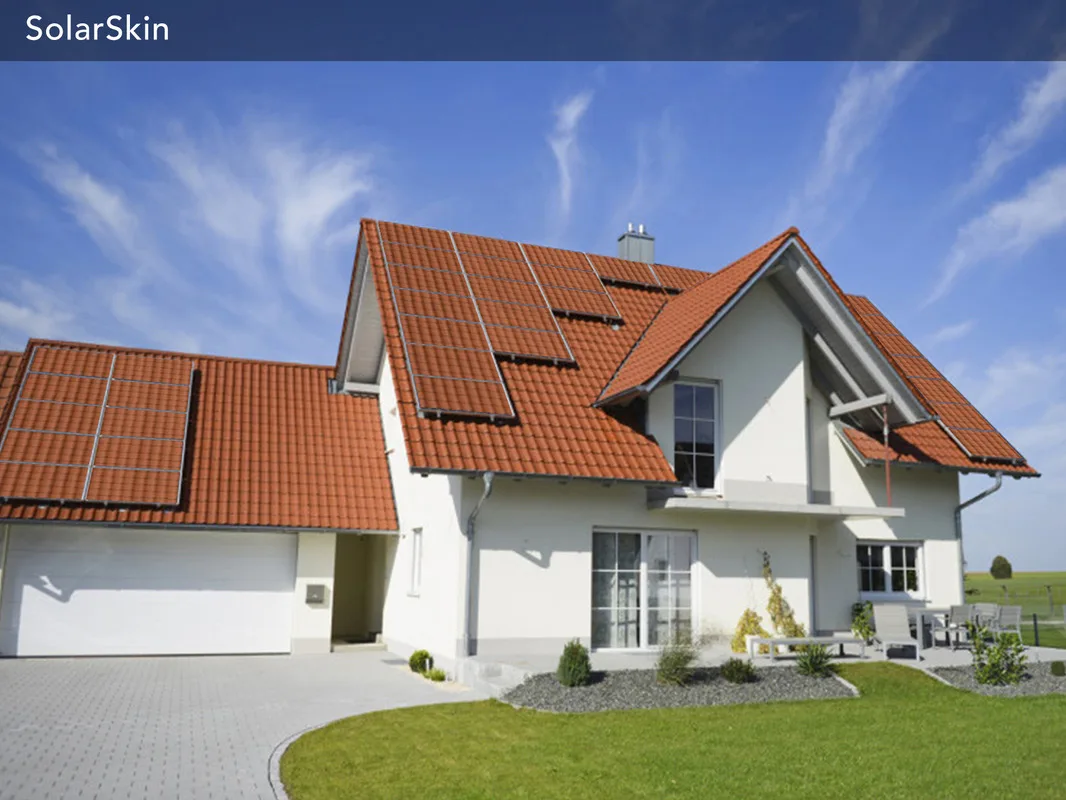
Solar skins go a step further, using a printed layer over the panel face to resemble slate, tile, or another roofing color. Both can help at a distance, but the panel shape and the break in the roof pattern remain, and skins can slightly affect output depending on the product, so it is worth asking for production figures with the skin applied.
In Roof Panel Systems and Solar Shingles
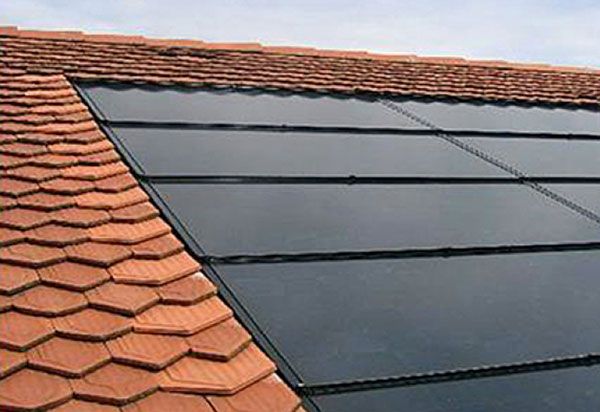
In roof systems replace the roofing underneath the array so the panels sit flush with the surrounding roof instead of above it. The result is cleaner than a racked system, but it still reads as a dark rectangular array, closer to a skylight than to the roofing around it.
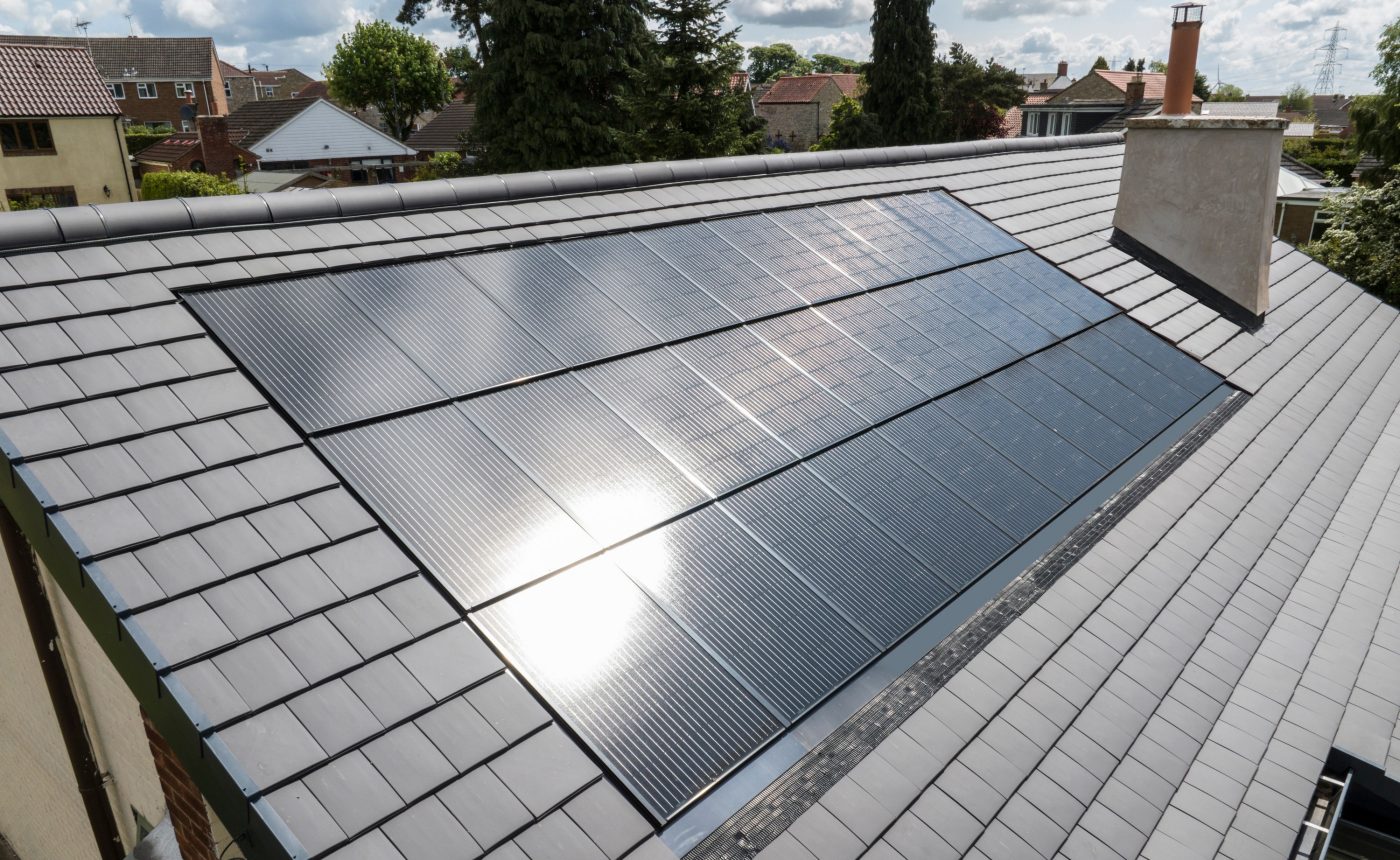
Solar shingles, such as the GAF Timberline Solar product, are installed with the rest of an asphalt shingle roof. They are a legitimate step up in integration, though the solar shingles generally remain visibly different from the standard shingles beside them in color, thickness, and texture.
Solar Roof Tile
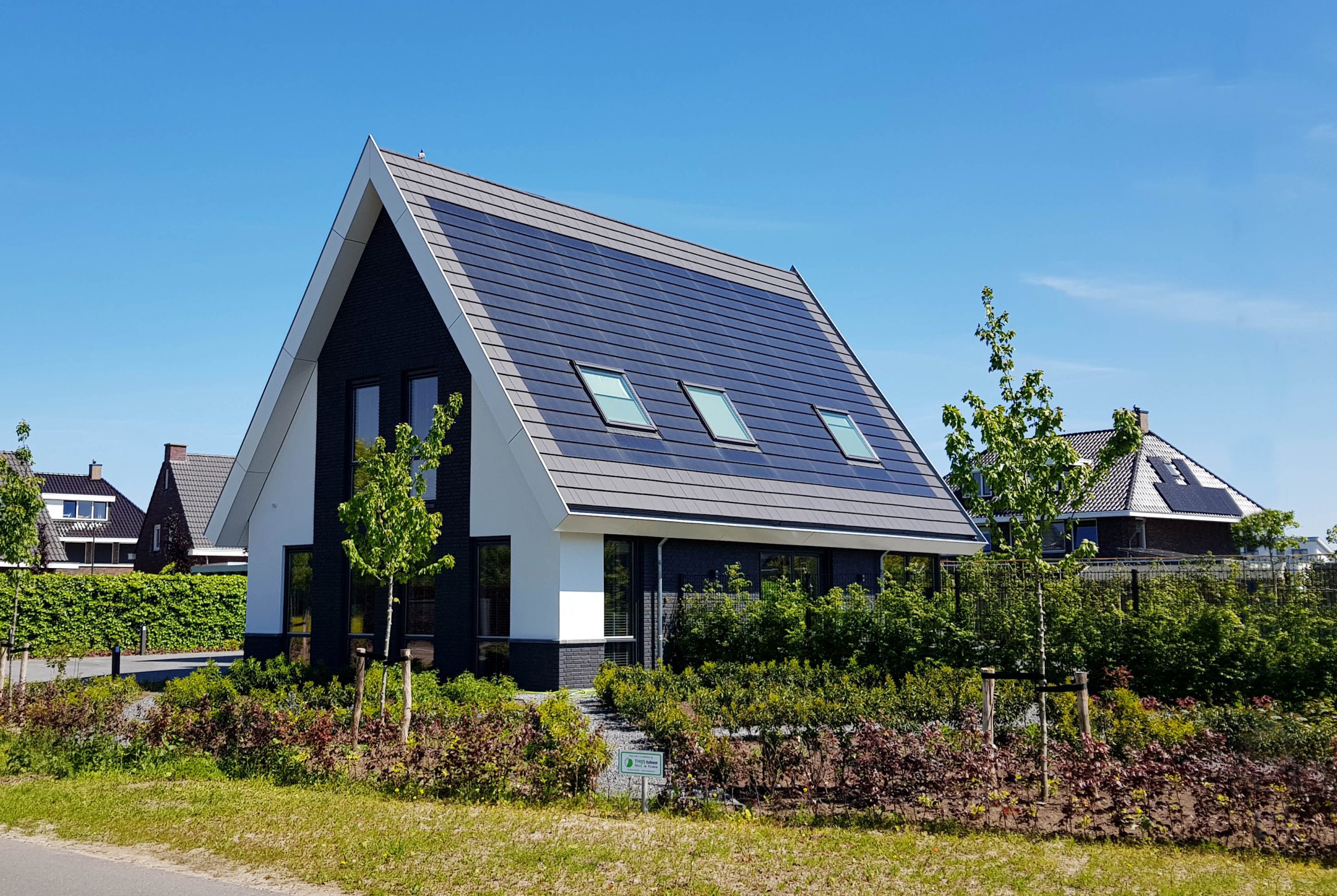
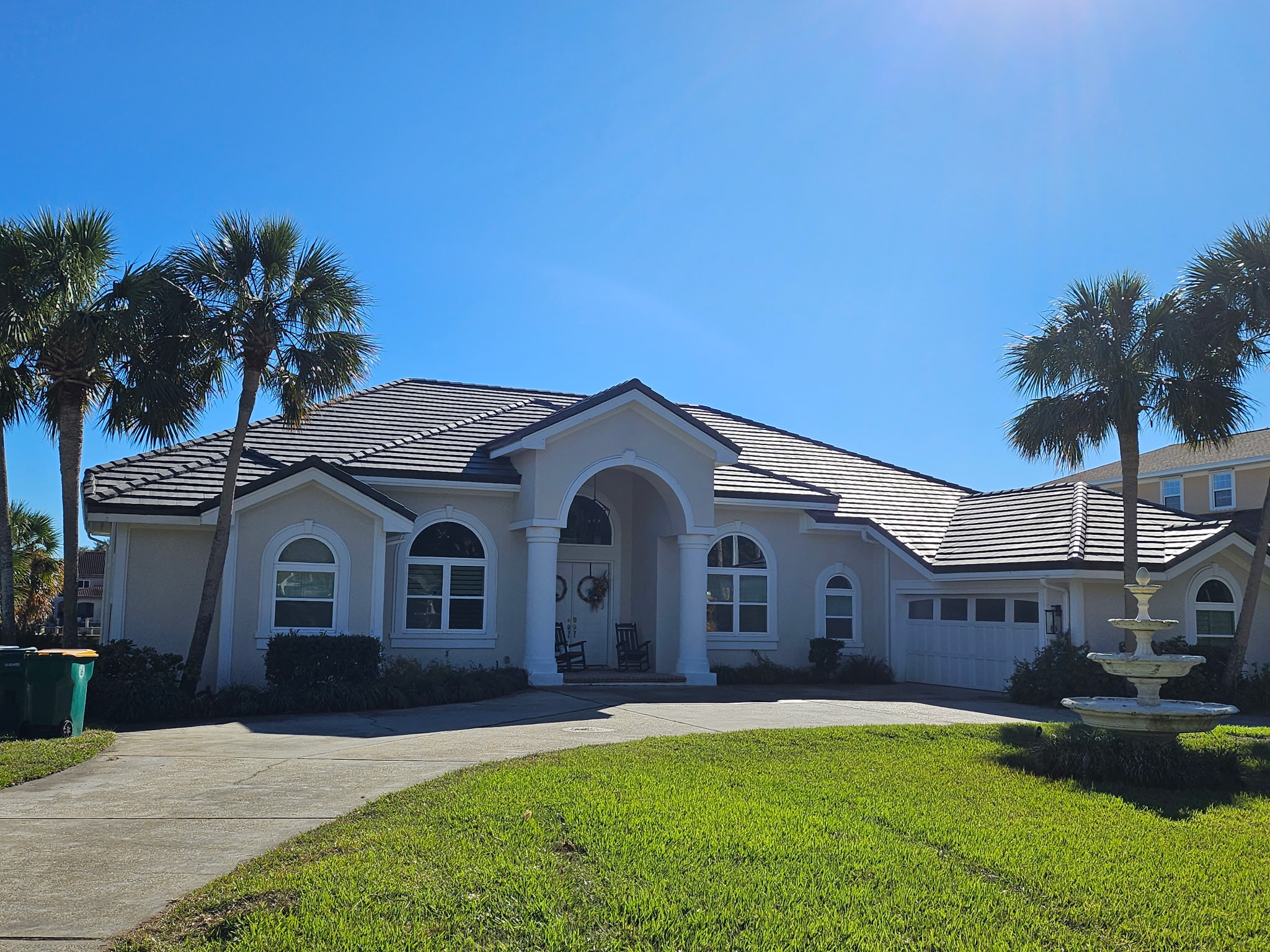
At the far end is a roofing tile that generates power as part of the material itself. The Tesla Solar Roof used glass tile to do this and is no longer available for new orders as of August 2026. The Icon tile, installed by Sternholt, takes a different approach, a concrete roof tile with the solar cell built into the tile, manufactured on a Westlake Royal Building Products substrate, a name long associated with premium concrete and slate roofing. For homes with a metal roof in the design, Tycoon integrates solar into the roof seams.
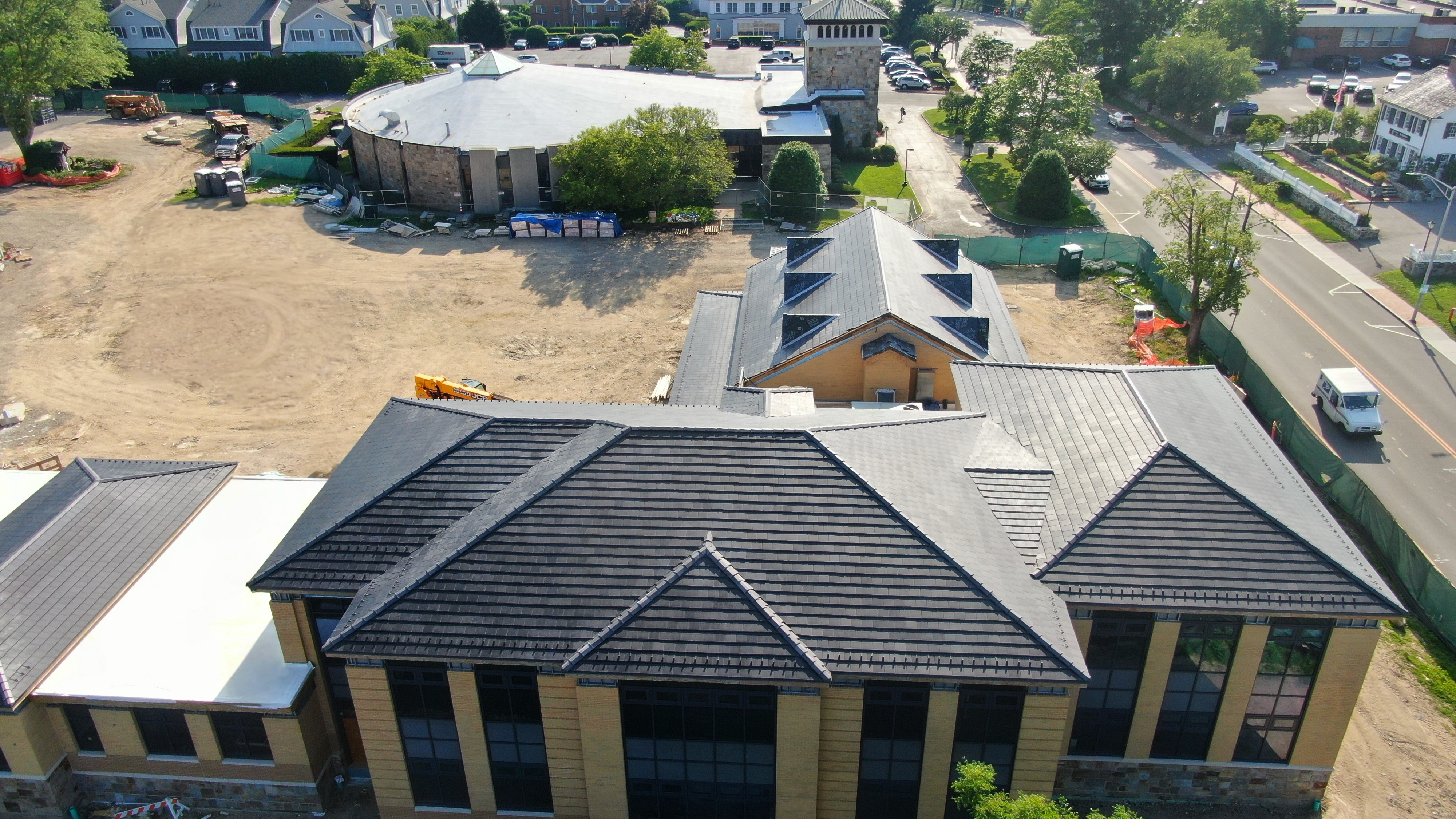
The specifications are roofing specifications first. The tile is Class A fire rated, wind tested to 180 mph, UL Listed, and IEC 61215 certified. It carries a 30 year roof warranty, a 25 year power warranty, and a 10 year product warranty, with 17.5W per tile, cell efficiency above 21.6 percent, and 1540W per roofing square. Because the solar is built into the tile, there is no active section and inactive section, and the roof reads as one material.
The Honest Tradeoffs of Solar Roof Tile
It costs more than any other option on this list, because it is a full roofing material, not an addition to a roof. It replaces the roofing on the planes it covers, which makes the timing important. It fits best on a new build or when the existing roof is due for replacement anyway, since the roofing cost you would have spent is already part of the project. Concrete tile is also heavier than asphalt, so the structure needs to be evaluated before any commitment is made.
Where it fits, the payoff is a roof that is the same roof the architect or the homeowner would have chosen without solar, with power generation added rather than a visible system layered on top. Project timelines typically run two to four months, whether from architect plans on a new build or from a signed contract on an existing home reroof.
How to Choose
If your roof has many good years left and budget matters most, all black panels with low profile mounting is a sensible improvement. If you are replacing the roof anyway and want solar to be part of it, in roof systems and solar roof tile are both worth pricing, since the roofing work is already happening. If the appearance of the roof is the reason you have hesitated on solar, particularly on a custom or historic home, solar roof tile is the one option on this list built to solve that problem completely.
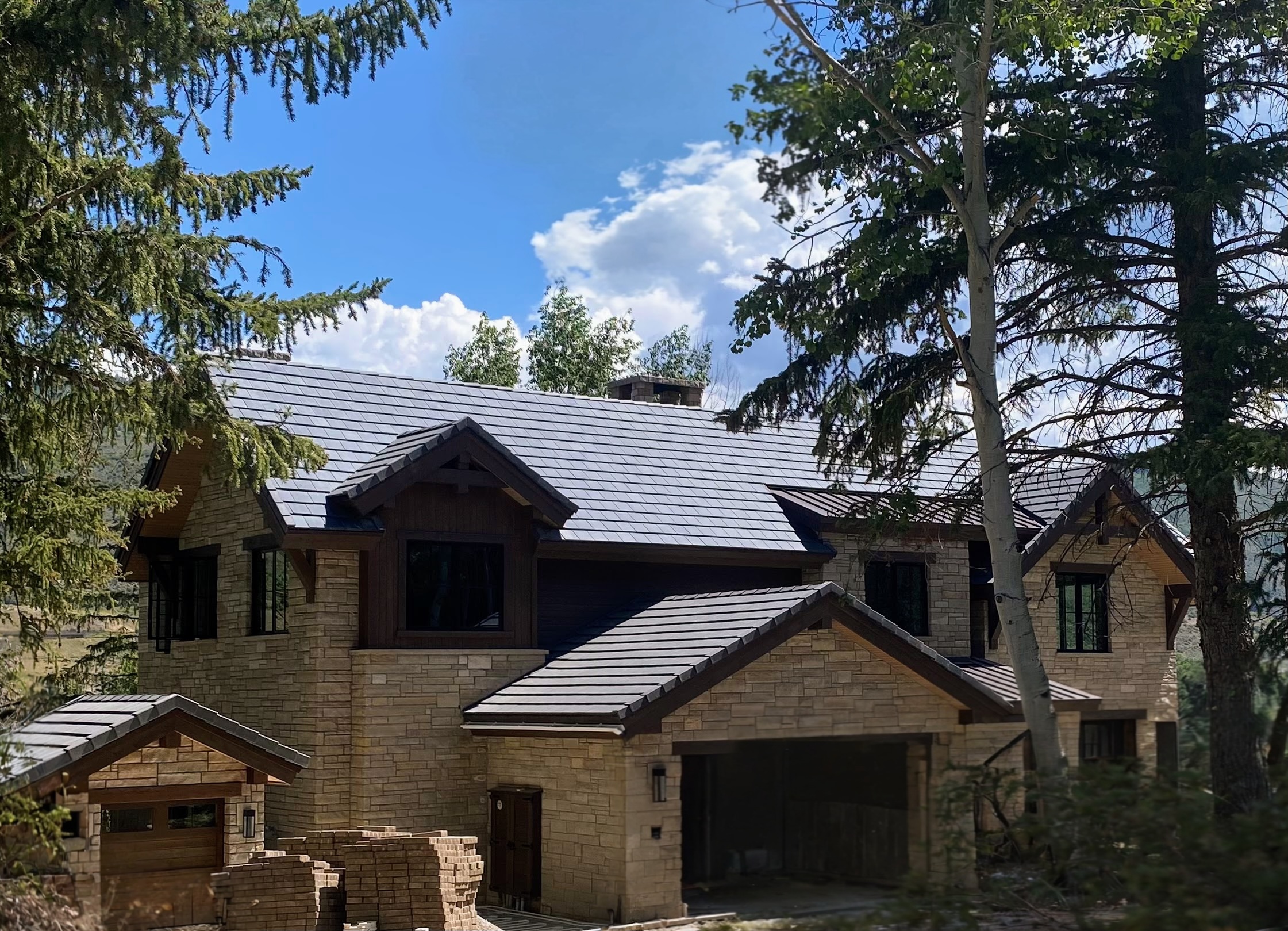
If you would like to see how the Icon tile would read on your home, start the conversation.
Frequently Asked Questions
Can solar panels be completely hidden?
Standard panels cannot be fully hidden, only made less visible through placement, color, and mounting. Only solar built into the roofing material itself removes the visible distinction between solar and non solar roof.
Do all black solar panels look good?
They look better than standard blue panels, especially on dark roofs. They still read as panels, so on lighter or textured roofs the contrast with the surrounding roofing remains.
Are there solar panels that look like roof tiles?
Yes. Solar roof tile is a roofing tile with the solar cell built in, so it looks like tile because it is tile. Solar shingles imitate asphalt shingles, though they typically remain visibly different from the standard shingles around them.
Do hidden solar options produce less power?
Placement on a lesser roof plane can reduce production unless the system is enlarged. Skins can reduce output slightly. Integrated tile is rated by its own output, 1540W per roofing square for the Icon tile, so production depends mainly on how much roof area is covered and its orientation.