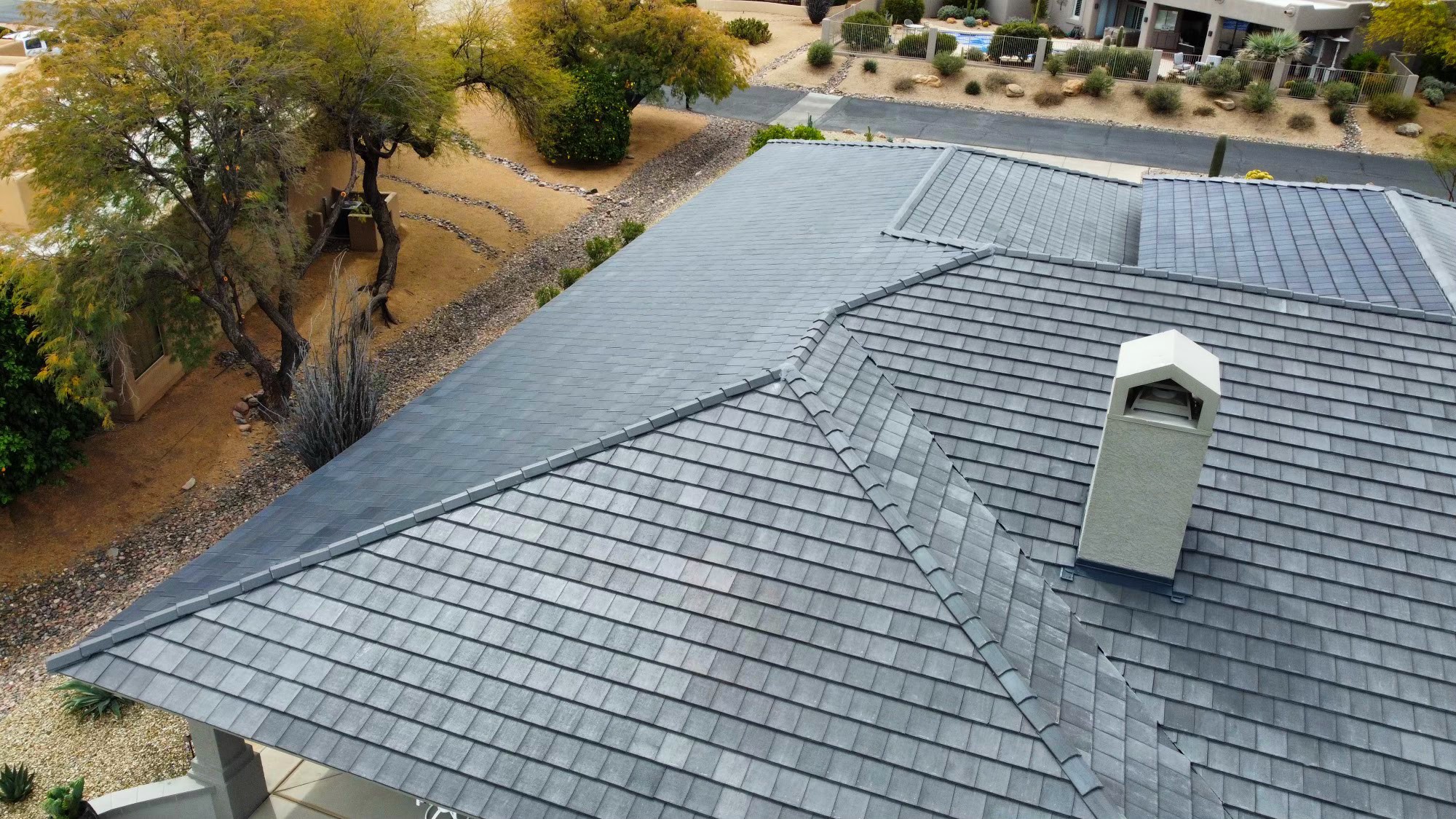
Why Premium Roofing Costs More Than a Standard Job
Premium and designer roofing always costs more than a standard asphalt shingle job, but the bigger and often overlooked gap sits inside that premium category itself. A concrete tile roof installed by a run of the mill crew and the same tile installed by a contractor who takes the craft seriously can carry very different price tags, and very different outcomes twenty years later. The material is only half the story. Craftsmanship is the other half, and it shows up in specific, checkable decisions long before the tile ever goes on the roof.
This piece walks through what those decisions actually are: the tear off and deck prep, the batten system, the underlayment, and the warranty a contractor is willing to stand behind. Then it covers a further layer that applies when solar is built directly into the tile itself (BIPV, distinct from solar shingle products like GAF or Tesla), which demands even more specialization, and which pays part of its own cost back over time through the electricity it generates.
What Separates a Craftsman From a Run of the Mill Installer
This shows up first in the price. National averages for a concrete tile reroof typically land between $9 and $14 per square foot, while contractors who invest more in the craft commonly run $14 to $22 per square foot. But price is a symptom, not the cause. The real differences are in a handful of concrete decisions:
- Scope of tear off. A contractor who takes the craft seriously tears off to bare deck on a reroof rather than layering over the old material, because that is the only point where the deck, the batten system, and the underlayment can actually be inspected and corrected. That means checking for soft or rotted decking and addressing it before anything new goes down, and confirming ventilation is adequate before covering it back up. A layover, or a rushed tear off, skips this step, and any deck problems get sealed in rather than fixed.
- Batten system. Whether tile is nailed direct-to-deck, set on a single batten, or set on a double (counter-batten) system materially changes both labor and long-term performance. More on this below.
- Underlayment quality. Basic felt vs. synthetic vs. self-adhered modified bitumen. This is one of the biggest hidden cost (and value) drivers on a tile roof, because replacing underlayment later means pulling and resetting every tile.
- Tile material and profile. Concrete tile itself varies in weight, texture, and manufacturing complexity, and pricing follows.
- Labor complexity. Roof pitch, structural reinforcement needs (concrete tile adds significant weight, often 900+ lbs per square), and crew experience with tile-specific fastening all factor in.
- Warranty terms. Manufacturer material warranty vs. an extended installer workmanship warranty changes the price and the risk the installer is carrying.
- Flashing and valley detailing. Flashing at valleys, chimneys, skylights, and wall intersections should be hand formed and fitted to the specific roof, not a generic bent piece pulled off a shelf. This is one of the most common places a rushed install leaks first, and it takes real time and skill to get right on a tile roof.
- Fastening pattern and wind uplift compliance. Tile fastening schedules, meaning nail pattern, clip use, and foam adhesive, are engineered for specific wind uplift ratings. A serious contractor follows the manufacturer's pattern for the actual wind zone the home sits in rather than a generic, one size fits all approach.
The next three sections go deep on the two decisions that matter most for how the roof performs over decades, the batten system and the underlayment, plus what a warranty term signals about how confident the installer actually is.
Batten Systems: What to Look For, What to Avoid
The batten system is the framework the tile actually sits on, and it's one of the most consequential, and least visible, parts of a tile roof.
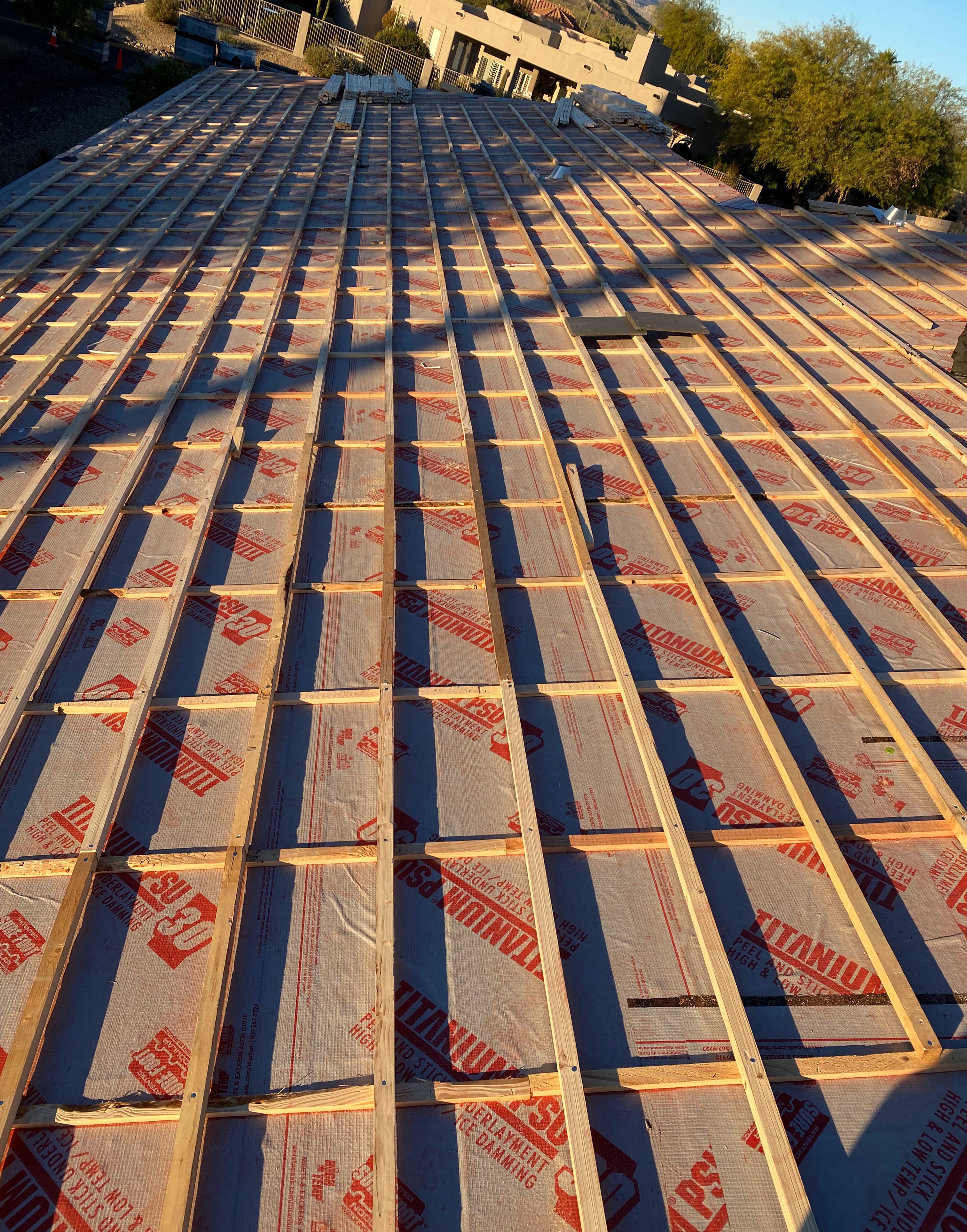
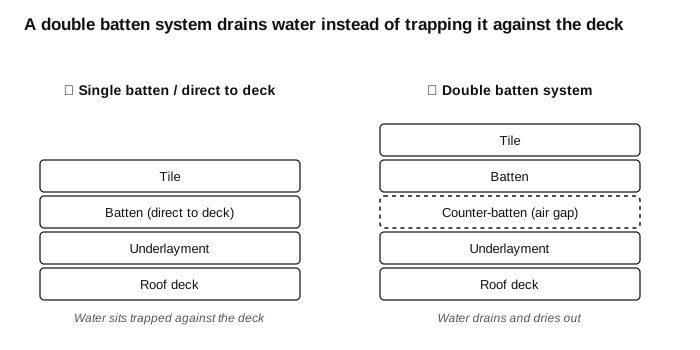
What to avoid: direct-to-deck nailing, or a single batten system with no gap underneath. Both leave the underside of the tile in direct or near-direct contact with the underlayment. Any water that gets under the tile (and some always does, over decades of wind-driven rain) has nowhere to go, so it sits against the deck. That's how rot and premature underlayment failure happen on tile roofs, often well before the tile itself has worn out.
What to look for: a double batten system, meaning a counter-batten running vertically (perpendicular to the roof slope), fastened into the rafters or trusses rather than just the decking, with a batten laid horizontally on top of it at the spacing the tile manufacturer specifies for that tile's headlap and exposure. Contractors who take the craft seriously use pressure treated or naturally rot resistant lumber for both layers, corrosion resistant fasteners such as stainless or hot dip galvanized rather than standard coated ones, and they check that the counter-battens create a real, unobstructed gap rather than being compressed flat by the batten above. This creates a true air gap and drainage plane between the underlayment and the tile, so any water that gets past the tile can drain and the assembly can dry out instead of trapping moisture. This is the difference between a roof that's built to last as long as the tile itself and one that will need underlayment work well ahead of schedule.
Wood vs. metal battens: this matters less than the double-batten design itself. Pressure-treated, rot-resistant wood battens are standard and perfectly appropriate for most climates, including the Northeast. Metal battens mainly earn their keep in coastal, high-salt-air, or wildfire-prone regions, where corrosion resistance or fire rating is a real factor. For most buyers, the question to ask isn't "wood or metal." It's "single batten or double batten, and is there an actual air gap."
Underlayment: The Part That Fails Before the Tile Does
Concrete tile itself commonly lasts 50 years or more. Underlayment doesn't. It's the waterproofing layer underneath the tile, and it has a shorter service life no matter what. The question is how much shorter, and what that means for you as the homeowner.
| Underlayment type | Typical rated life | Notes |
|---|---|---|
| Basic 30# felt | 10–20 years | Lowest cost, shortest life, common on budget installs |
| Synthetic underlayment | 20–30 years | Better tear resistance and UV stability than felt |
| Self-adhered SBS-modified bitumen ("peel-and-stick") | 30–50 years | Highest cost, matches the tile's own lifespan |
This matters more on a tile roof than almost any other roof type, because replacing underlayment on a tile roof isn't a simple strip and reroof. Every tile has to be removed and reset. That's a full labor redo, not a materials swap. A roof with felt underlayment under 50-year tile is, in effect, built to need a very expensive redo halfway through the tile's life. A roof with a 30–50 year self-adhered system is built to go the full distance without ever touching the tile again.
When you're comparing quotes, the underlayment spec is worth asking about directly. It's easy for a quote to look identical on the surface while carrying very different long-term costs underneath the tile.
Warranty: What It Signals About the Rest of the Job
Two separate warranties matter on a tile roof, and it's worth understanding the difference:
- Manufacturer material warranty covers the tile itself: defects in the product, typically for decades given how long concrete tile lasts. This is the same regardless of who installs it.
- Installer workmanship warranty covers the installation: the batten system, underlayment, flashing, and fastening. Standard practice in the industry is a 1-year workmanship warranty. For specialized roofing done by contractors who specialize in it, 2 to 5 years exists and is meaningful, though not common. Any written workmanship warranty, separate from the manufacturer's material warranty, is a signal worth noting.
A workmanship warranty isn't just a sales point. It's the installer putting their own money behind the batten system and underlayment choices discussed above. An installer who won't provide any written workmanship coverage, or who pairs a minimal warranty with a budget underlayment spec, is telling you something about how confident they are in the long-term performance of that combination.
Adding Solar: A New Level of Specialization
Everything above applies whether or not solar is involved. When solar is built directly into the roofing material itself, known as building integrated photovoltaic or BIPV, rather than mounted on top of it as separate panels, the roof takes on a further layer of specialization, and the price reflects that. Standard rack mounted panels typically install around $2.50 to $3.50 per watt. BIPV solar tile commonly runs $4.50 to $8 per watt, depending on the product and how the tile is manufactured.
It's worth being precise about why the premium exists, because it isn't that the underlying solar cell technology is more advanced. In most cases, the photovoltaic cells themselves are comparable to, or, due to smaller cell size and non-uniform tile shapes, occasionally slightly less efficient per cell than, a good monocrystalline rack-mounted panel. What you're actually paying for is:
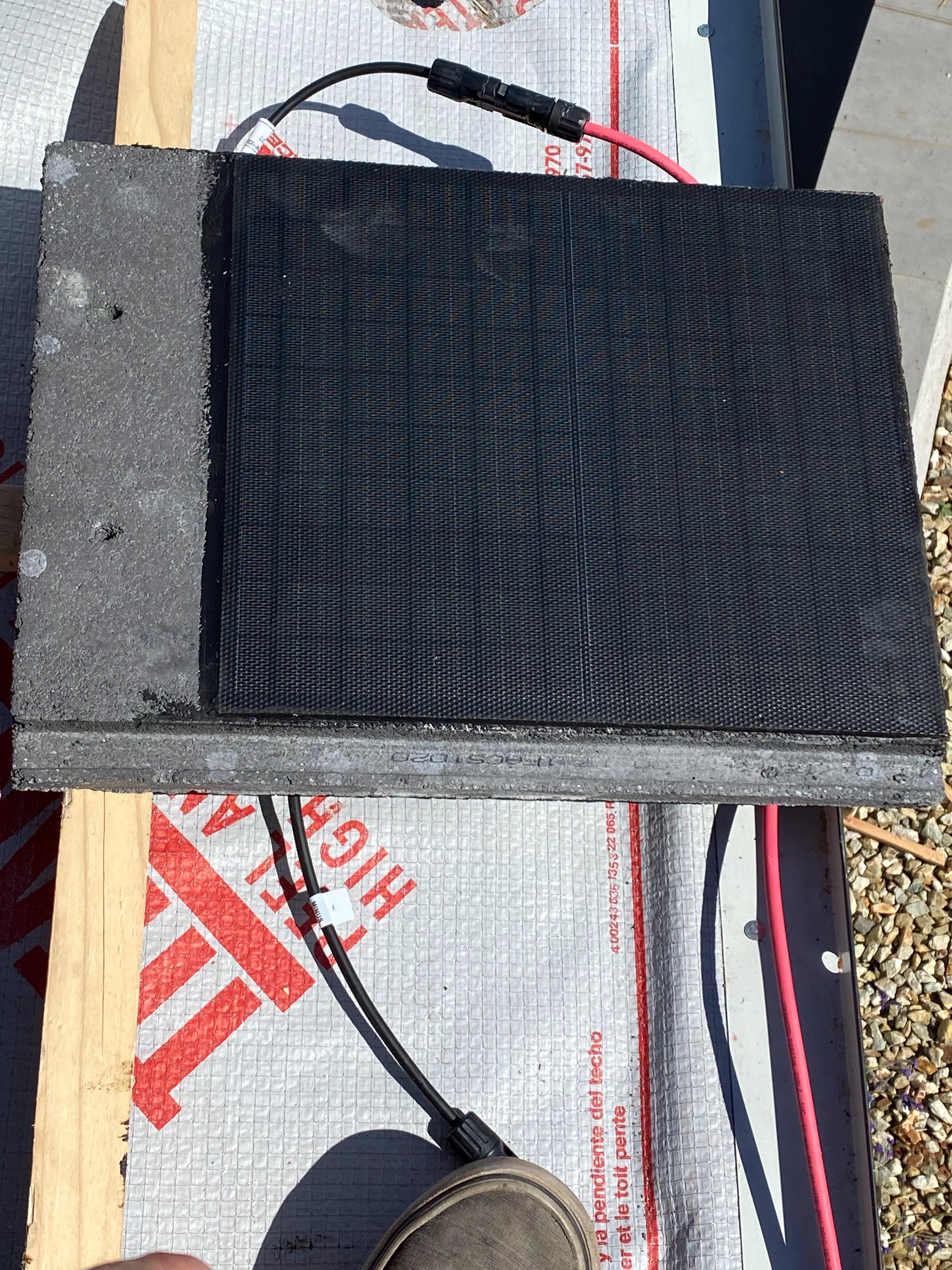
- Integration engineering. Casting or bonding solar cells into an architectural roofing tile, and making that assembly weatherproof, electrically sound, and durable through decades of thermal expansion and contraction, is a substantially harder manufacturing and QA problem than laminating a flat rectangular panel.
- Dual-purpose function. The tile is both the roofing material and the power generator in a single layer, which can offset the cost of separate roofing material, even if it doesn't always lower the total installed cost per watt.
- Aesthetics. For architecturally significant homes, the ability to generate power with zero visible solar hardware is a real value driver in its own right, separate from the electricity it produces.
So BIPV pricing is defensible and consistent with the broader market. But the honest sell is "integrated, invisible, and engineered to also be your roof," not "more advanced technology." Traditional panels remain more efficient and cheaper per watt of raw output; BIPV is a different trade-off, not a strictly superior one.
What Separates Sophisticated BIPV From Lower-Tier BIPV
Not all solar tile is built the same way, and the differences show up in performance and durability, not just price:
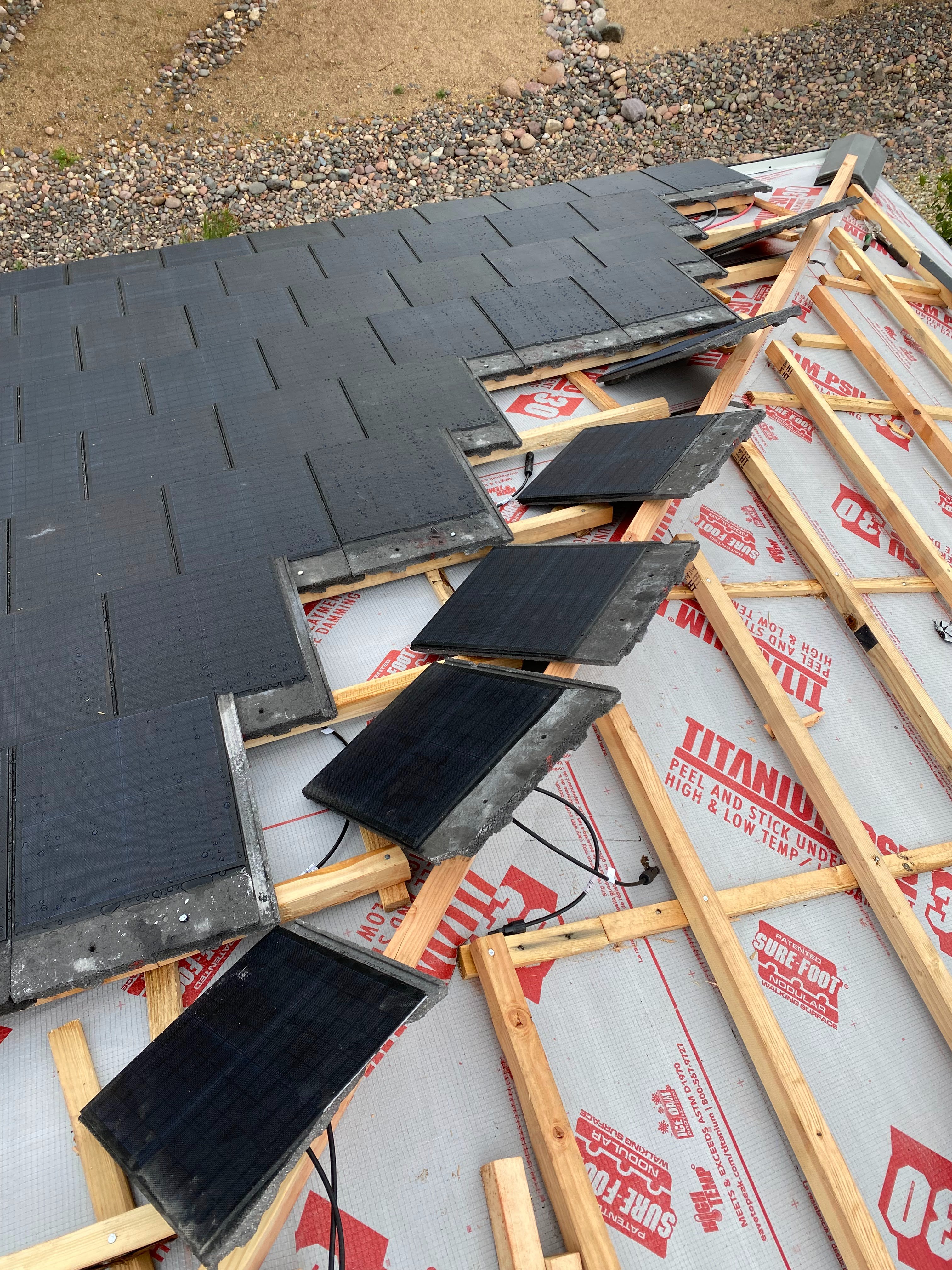
- Cell integration method. Cells cast or laminated directly into the tile substrate with proper edge sealing and strain relief hold up to decades of thermal cycling. Cells simply adhered to a tile surface are more prone to delamination and moisture ingress over time.
- Weatherproofing at the electrical connections. Every tile-to-tile electrical connection is a potential water entry point. Sophisticated systems engineer sealed, serviceable connectors; lower-tier systems can rely on exposed or minimally sealed wiring.
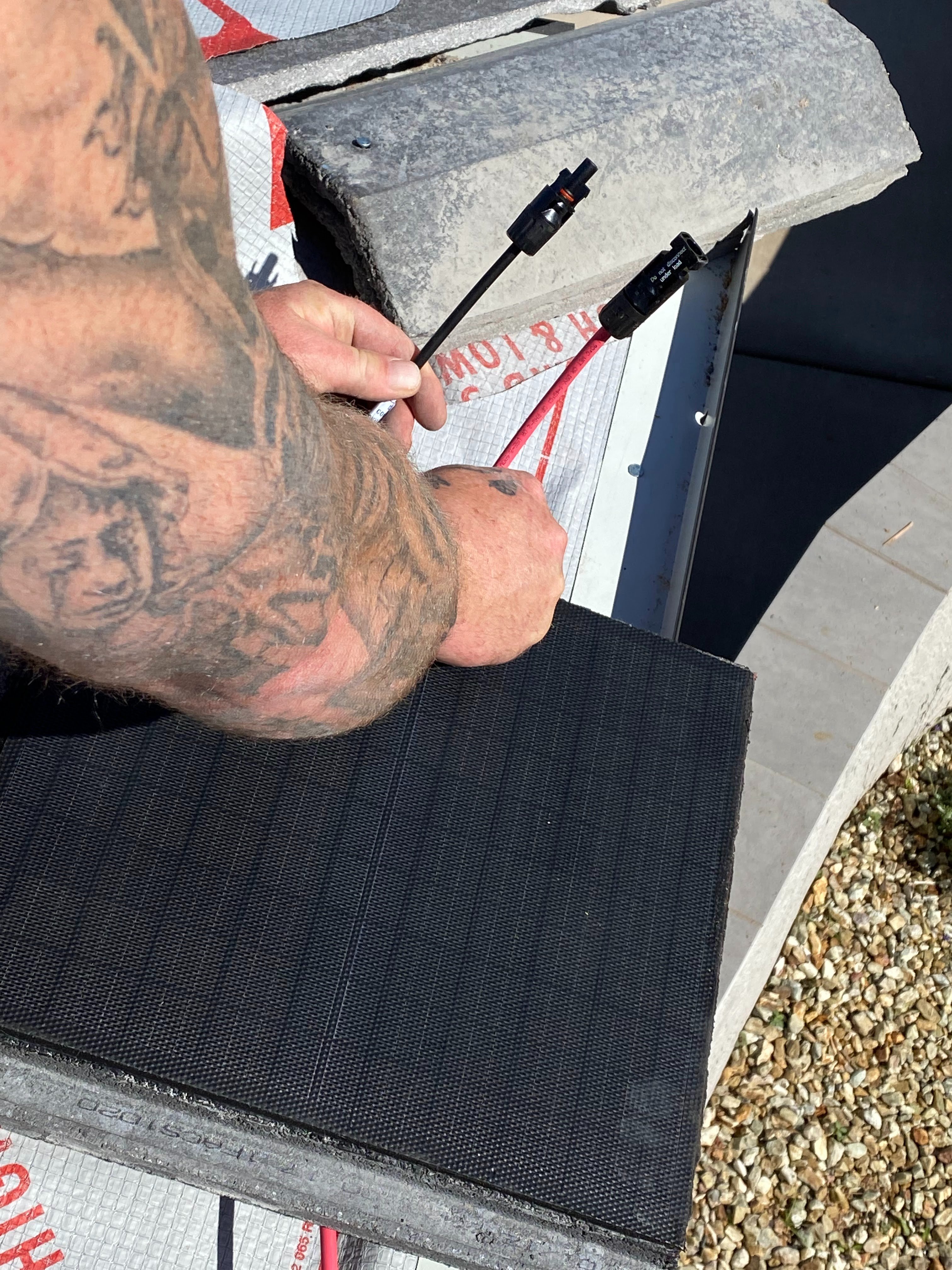
- Cell efficiency and shading tolerance. Higher-end BIPV products use cell technology and circuit design (bypass diodes, module-level electronics) that limit how much a single shaded tile drags down the output of the whole array, a bigger issue on a tile roof than a panel array, since tiles are wired in longer, less-segmented runs.
- Color and texture matching. True architectural invisibility, matching the exact profile, shadow lines, and color variation of the non-solar tile around it, takes more manufacturing precision than a "solar-look" product that's close but visibly different up close.
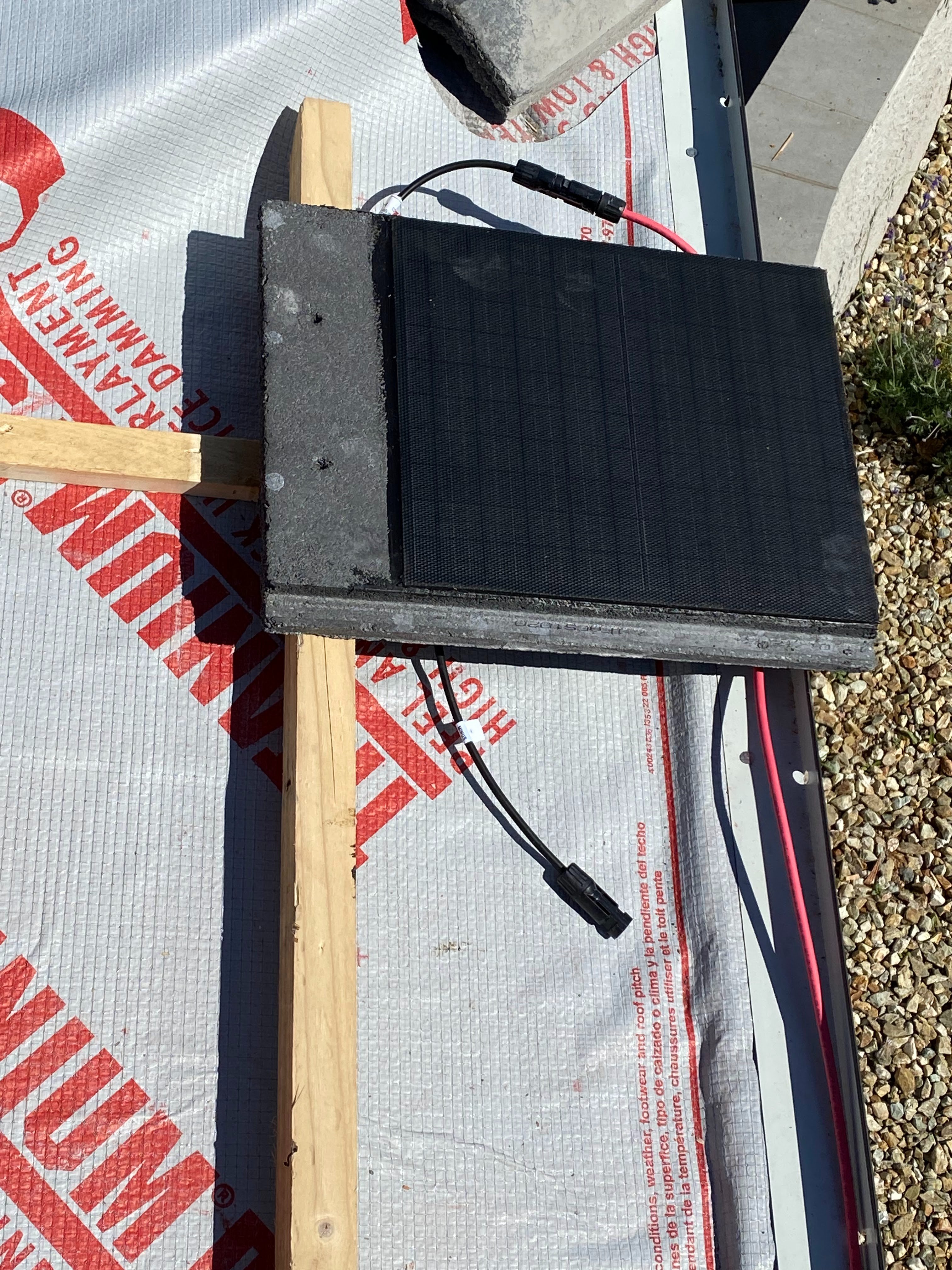
- Structural and fire rating. Because the tile is both roofing and electrical component, it needs to meet the same structural, wind, and fire code requirements as any roofing tile, not just electrical code, which is a more complex certification path than a standalone panel.
How Solar Pays Part of Its Own Cost Back
A double batten system, a premium underlayment, and a longer workmanship warranty are all pure cost. They protect the investment, but they don't generate any return on their own. Solar is different. The added cost of building photovoltaic capability into the tile is offset, over time, by the electricity it produces, which reduces or eliminates a utility bill that would otherwise run for as long as the homeowner owns the house.
How much of that added cost gets offset, and how quickly, depends on real variables: how much electricity the household actually uses, local utility rates, the system's size and orientation, and how those rates change over the years the system is in place. A contractor who takes solar specialization seriously walks through those specific numbers for a specific roof and household rather than quoting a generic payback period. Treat any payback claim that isn't tied to actual usage and rates with the same scrutiny you'd apply to an unusually low tile quote.
The craftsmanship fundamentals from earlier in this piece still apply in full once solar is added. A leak from a poor batten system or a failed underlayment doesn't care whether the tile above it also happens to generate electricity, and a solar tile roof still needs the same tear off, deck inspection, and warranty backing as any other premium roof. Solar is an addition to that foundation, not a substitute for it.
What a Legitimate Premium Roof Should Include
Confirm these are part of the spec:
- A double batten (counter-batten + batten) system with a true air gap, not direct-to-deck or single-batten
- The specific underlayment product and its rated life, not just "synthetic" or "premium," the actual product name
- A written workmanship warranty term, separate from the manufacturer's material warranty
- Whether structural reinforcement was evaluated, given concrete tile's added weight
- For BIPV: how the cells are integrated into the tile (cast/laminated vs. surface-adhered) and how electrical connections are sealed
- If solar is included, what payback timeline the contractor estimates, and what usage and utility rate assumptions it's based on
Signs a spec has been cut:
- Direct-to-deck nailing or single-batten systems with no drainage gap, on a tile roof
- Basic felt underlayment paired with a 50-year tile
- No written workmanship warranty at all, or a refusal to provide one separately from the manufacturer's material warranty
- A BIPV quote that can't explain its cell integration or sealing method beyond "it's advanced technology"
- A price significantly below the ranges in this article with no explanation of what's different in the spec
- A solar payback estimate with no stated usage or rate assumptions behind it
The Bottom Line
Premium roofing is not one price. It's a set of decisions, the tear off, the batten system, the underlayment, the warranty, that separate a contractor who takes the craft seriously from one who doesn't, and those decisions show up in performance decades before they show up as a complaint. Solar adds a further layer of specialization on top of that foundation, and it's the one part of the premium that pays some of its own cost back over time rather than being pure expense. Understanding both halves, the craftsmanship and the payback, is a better way to evaluate a roof than comparing a single number.
You can see this kind of work on real homes in our completed projects. If you want to understand how a project comes together from the first conversation through a finished roof, our process page walks through it. And if you are ready to talk through your own roof, reach out directly.