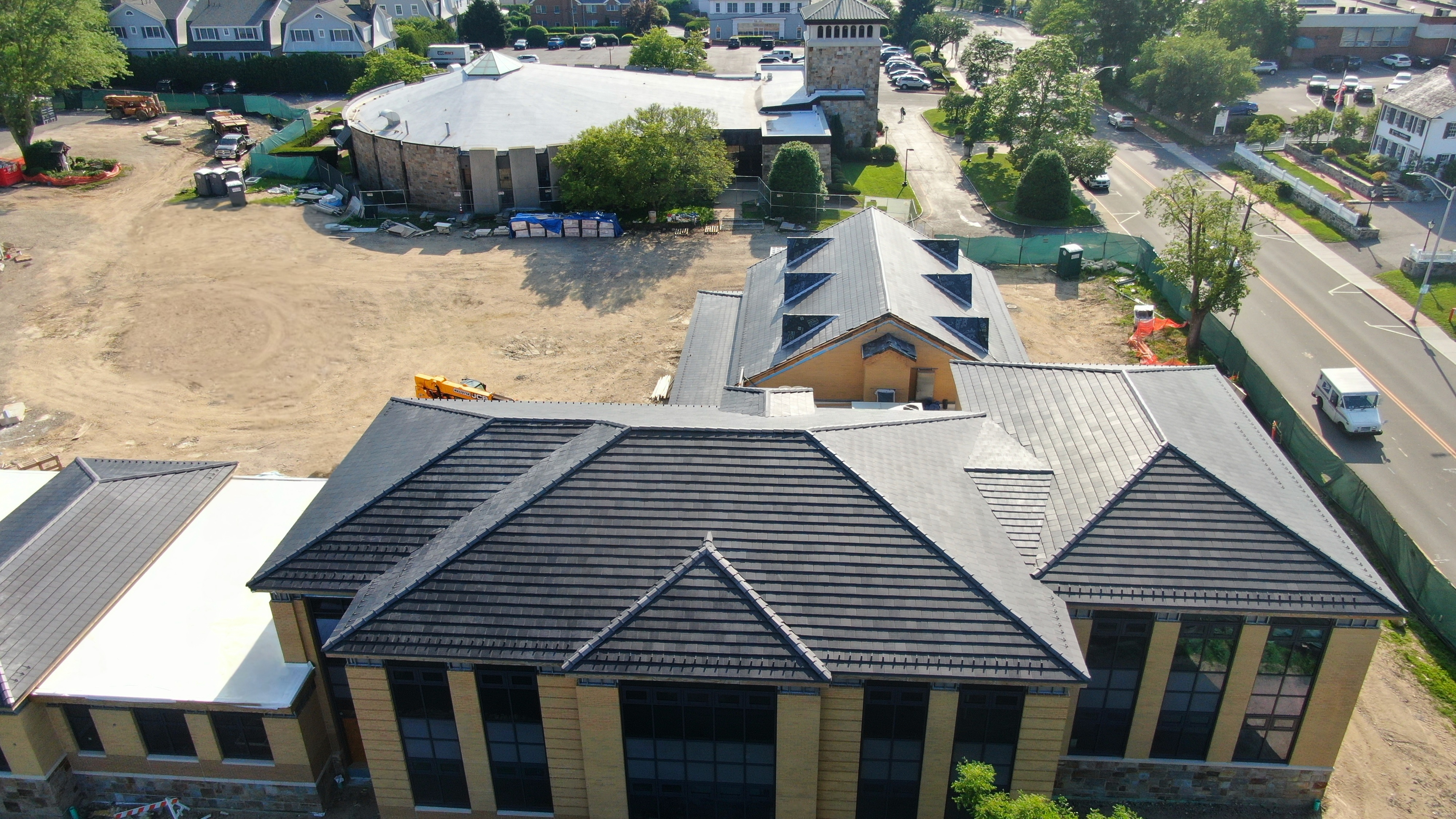
Solar shingles is not a precise product name. It is a term homeowners use when they want solar energy and want nothing on the roof that looks like it does not belong there. The term has picked up several different products over the years, and they are not the same thing. If you are building or reroofing a demanding home, understanding the difference matters.
What Solar Shingles Are
In the broadest sense, solar shingles refers to any roofing product with solar cells built into the material rather than mounted on top of the roof as separate equipment. The defining idea is that the solar is part of the roof, not an addition to it.
That definition covers a range. At one end are thin film products that look like asphalt shingles and install alongside conventional ones. At the other end are genuine roofing materials with solar generation built into the substrate: concrete tile, metal roofing. The difference between these is not cosmetic. It is the entire architecture of the product.
What Solar Shingles Are Not
Solar shingles are not solar panels. A solar panel is a piece of equipment mounted above the roof surface on racking hardware. It is visible from the ground, visible from above, and visible from the street. Solar shingles, in any form, eliminate the racking, the mounting hardware, and the gap between the solar and the roof.
But solar shingles are also not all the same. A thin solar layer that looks like an asphalt shingle is not the same product as a concrete tile with a solar cell cast into it during manufacturing. They solve the same visual problem differently, and the result is different in material, appearance, lifespan, and warranty.
The Products Under the Name
The solar shingles category has historically included thin film shingle products, glass tile systems, and concrete or metal tile systems. The thin film products are the entry point: lower cost, compatible with a standard shingle roof, and relatively widely available. The visual result is better than panels but still reads as modified shingles on close inspection.
Glass tile systems attempted to solve the look problem more completely. Tesla pursued this category for several years before discontinuing the Solar Roof in August 2026. The appeal was clear. The execution was difficult. Glass is engineered for the solar cell, not for the weather cycles, thermal expansion, and long term performance that roofing demands.
Concrete tile systems approach the problem differently. The roofing substrate comes first. Concrete roof tile has been used on premium homes for over a century. It is in the same material category as slate. Voltaic builds its Icon tile on that substrate, casting the solar cell into the tile at the factory. The result is a tile that is roofing material first and solar second, because the starting point was a concrete tile, not a solar panel.
What Icon Tile Is
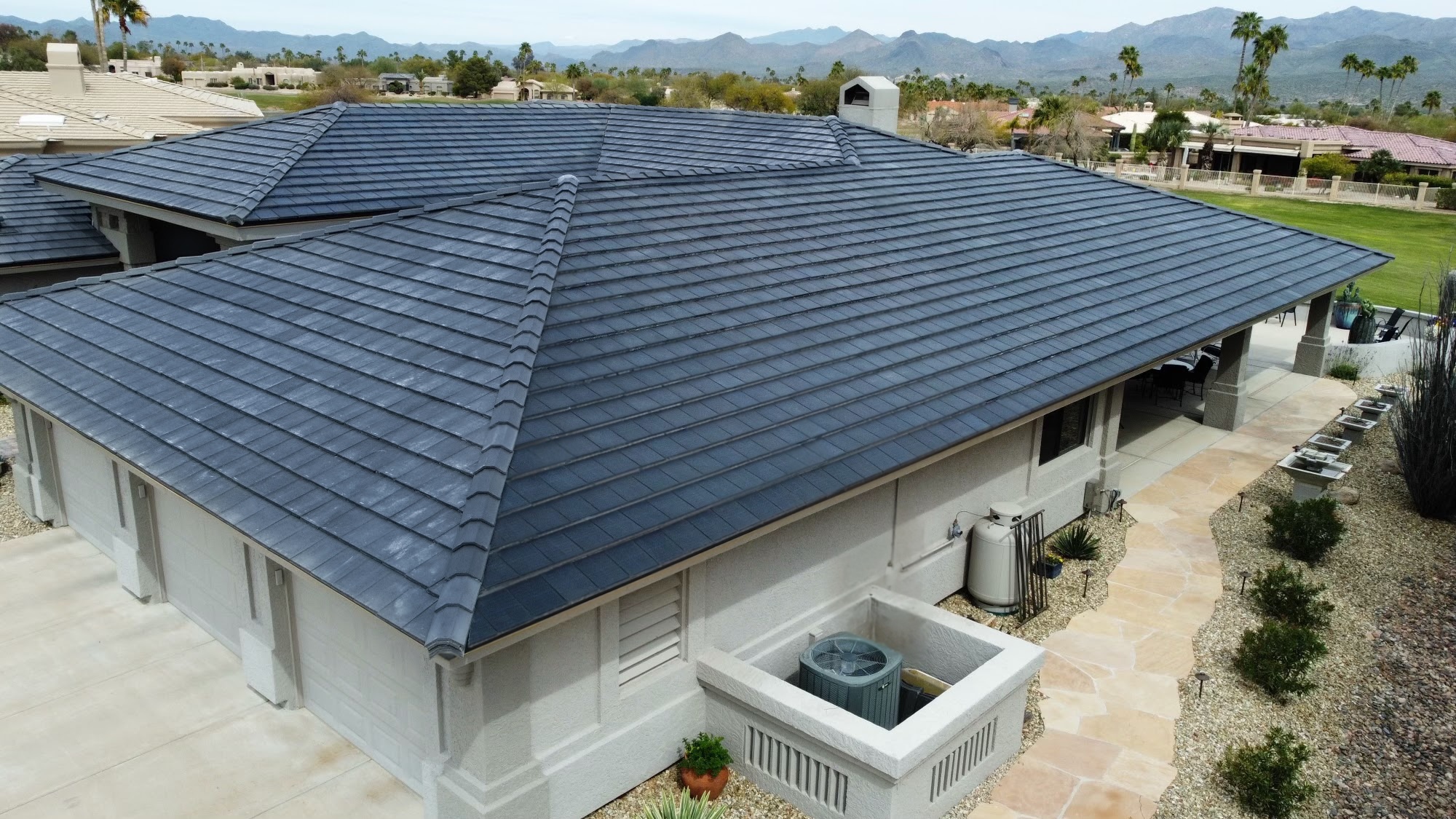
Icon tile is made by Voltaic on a Westlake Royal concrete roofing format. Each tile produces 17.5 watts, with cell efficiency above 21.6 percent. A roofing square produces 1,540 watts. It is UL Listed, Class A fire rated, and tested to wind speeds of 180 miles per hour. It carries a 25 year roof assembly warranty and a 25 year power warranty, with output warranted at no less than 97 percent in year one and 80 percent at year twenty five. It is IEC 61215 certified.
It is installed as the roof, not on top of one. A roof can combine active solar tiles with matching tiles that carry no solar cell in the same profile, so slopes that face away from the sun blend seamlessly with the rest of the roof. From any angle the roof reads as a concrete tile roof.
Why the Material Matters on a Demanding Home
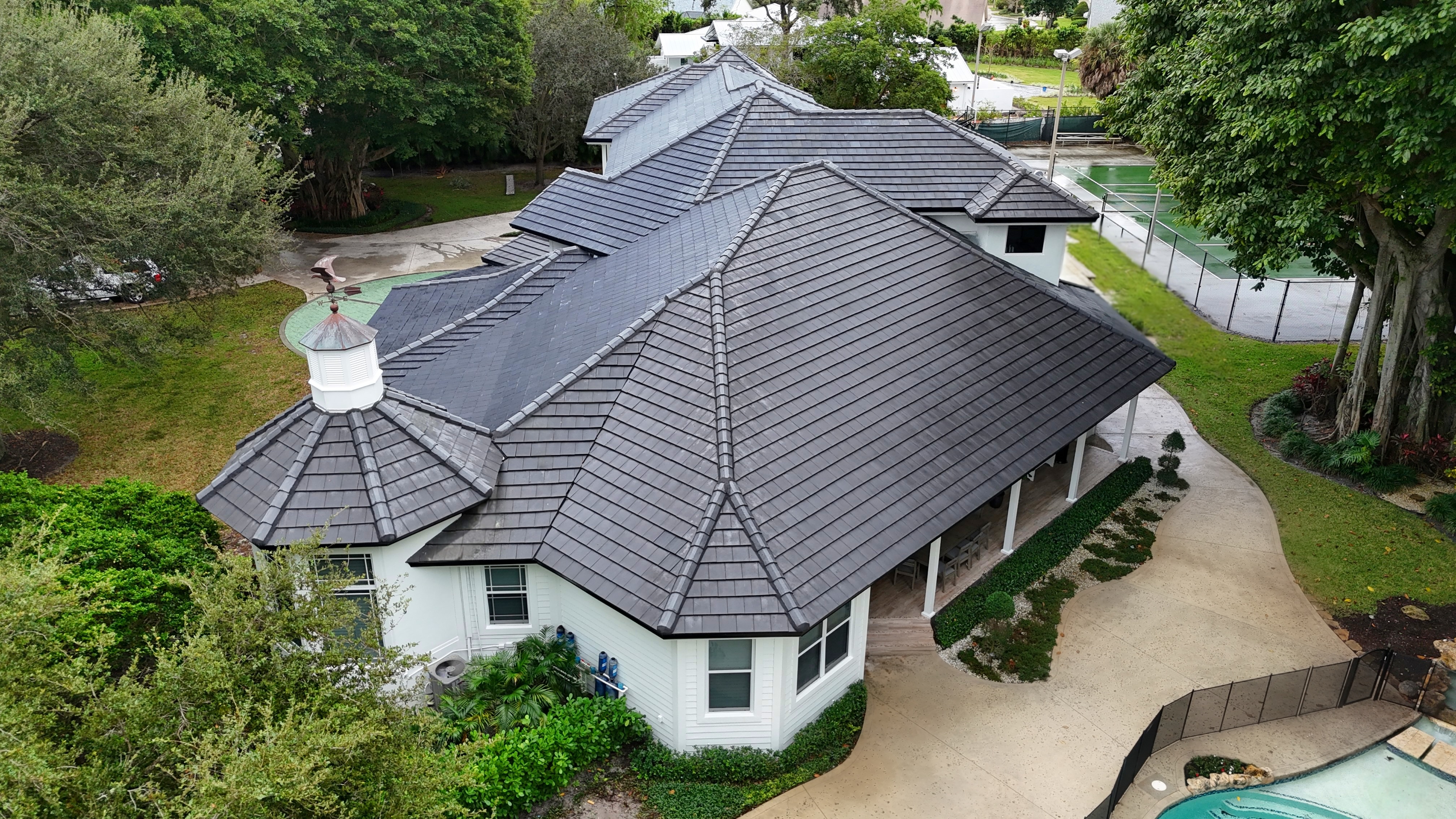
On a home built to a high standard, the roof is a design decision, not a maintenance item. The pitch, the material, the texture, and the profile are chosen deliberately, and they define the character of the structure more than almost any other single element. A material that looks like it was adapted to accommodate solar is the wrong starting point for that kind of home.
This is the distinction that matters. The thin solar shingle products are a way to reduce the visual impact of solar on an existing conventional roof. Icon tile is a premium roofing material that generates electricity. The homeowner who wants a designer roof does not start by asking which solar product looks the most like roofing. They start by choosing the roofing material and confirming that it also generates power.
The Warranty Picture
The warranty on a solar shingle product tells you something about how the manufacturer thinks about what it is. A thin shingle product typically carries a shorter warranty than a premium roofing material, because the baseline expectation for an asphalt shingle format is twenty to thirty years. A concrete tile roof carries a different expectation entirely.
Icon tile is warranted for 25 years as a roof assembly. The power warranty runs 25 years, at guaranteed output levels. The concrete tile itself carries the Westlake Royal concrete tile warranty. Installation workmanship is covered by Sternholt, with the terms written into your contract. Four separate warranties stand behind the finished roof.
Is This the Right Choice
Icon tile is for a specific type of home and homeowner. It is not the right answer for a standard roof replacement, for a home where the budget begins and ends with asphalt, or for a homeowner whose primary question is payback period. The material is priced in line with other designer roofing categories, and it belongs in that comparison, not in a comparison with standard solar or standard roofing.
It is the right answer for a home where the roofing material reflects the same standard as everything else about the property, where solar has always been wanted but the look of panels was always the obstacle, and where a 25 year roof assembly warranty and 25 year power warranty are worth more than a lower upfront cost.
Sternholt installs Icon tile across New York, New Jersey, Connecticut, and Pennsylvania. We are the only firm in those four states that does nothing but integrated solar roofing.
Questions We Hear Often
Are solar shingles and solar roof tiles the same thing?
Not exactly. Solar shingles is a general term people use for roofing that generates electricity without visible panels. It covers a range of products. Solar roof tiles are a specific category: roofing tiles with the solar cell built into the material. Icon tile is a solar roof tile made on a concrete roofing substrate. It is part of the roof, not an attachment to it.
Do solar shingles look like solar panels?
The thin shingle products can read as solar on close inspection. Icon tile is a concrete roof tile with the cell cast into it during manufacturing. From the street, from above, and up close, it reads as a concrete tile roof. There is nothing about it that suggests solar unless someone already knows what to look for.
How much do solar shingles cost?
Thin solar shingle products generally cost less than a concrete solar tile roof, which is priced in the same range as other designer roofing materials: slate, clay tile, copper. Icon tile is priced in that category, not against asphalt or standard solar. We price each project individually after reviewing the home. Our pricing page explains what shapes the cost.
Who installs Icon tile?
Sternholt installs Icon tile across New York, New Jersey, Connecticut, and Pennsylvania. We are the only firm in those states that does nothing but integrated solar roofing. Icon installation requires a Voltaic Certified Partner.